

Verify the message through an independent channel
A call about a supposed loan could be an attempt to steal your money or information. It could also be about an application in progress, a loan that has been paid out or a mix-up involving your details. Each possibility requires a different check. If an unfamiliar caller contacts you, end the call. Go to the institution's official website yourself, or use the number in your banking app or on your card. The number displayed on an incoming call can be spoofed. Describe the alert you received and ask whether the institution can identify an application or agreement. Record whom you spoke to and the reference it gives you.
Keep PINs, passwords and one-time codes to yourself during a suspicious call. Avoid approving notifications or sending money to a supposedly safe account. The real institution may need to verify your identity through its own channel. If it asks for a document, establish a secure way to send it and read what you are authorising before confirming an action. If the caller urges you to take out a fresh loan to supposedly cancel another one, end the conversation and report that detail to the bank.
If the bank verifies through its official channel that there is a pending application, ask it to secure the application and stop the funds from being released if there is still time. If the funds have gone out, find out when that happened and what steps may limit the consequences. If an unfamiliar transaction appears on your own account, report that transaction separately. Disputing how an agreement was concluded and challenging a transaction on your account concern different events. If unexplained money has appeared in your account, leave it where it is and arrange the next steps with the bank through its official channel.
Secure your accounts and preserve evidence
If you revealed login information, approved a transaction or gave someone access to a device during the call, tell your bank as soon as you can. Ask whether it needs to block the card, access to banking services or associated devices. Secure your email from a trusted device, as it can be used to reset access to other services. Change the password and review active sessions, devices, recovery addresses and forwarding rules. If your SIM suddenly stops working or you receive a notice of a change to your number, contact your mobile provider as well. If your phone or computer may be compromised, use another device to speak to the bank and change passwords.
Create a protected folder for originals. Keep messages, call history, emails with headers, transaction details, letters and envelopes showing when they were delivered. A screenshot with a time stamp gives you a quick reference, and the original message preserves more information. Avoid opening a suspicious link to take a picture of it. If the address is already visible in the message, save the text of the message for your report. Note where you are relying on an approximate recollection of the time. When sending copies to an institution, limit them to the information it needs for the case and use its official channel for receiving documents.
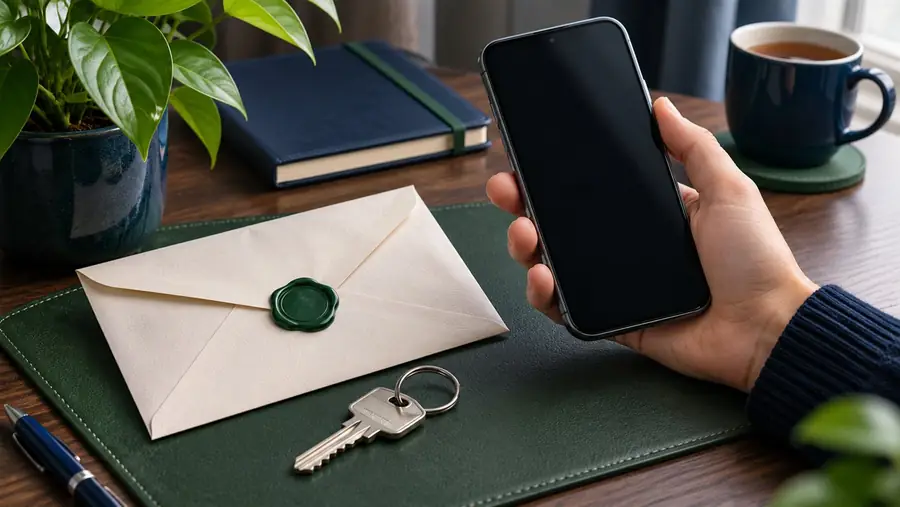
Make a timeline and record each reference
Start each timeline entry with a date, time and source. Distinguish the fact that you received a text from the claim that a loan was granted, which the lender has to verify. Add when you last had your identity document, whether it was lost and whether the caller asked you to read out a code. Give each attachment a clear name, such as “Text of 18 November” or “Complaint and acknowledgement”. Keep separate references for the bank, the police and Biroul de CreditBiroul de CreditA credit history information system with an official portal for individuals to access their data. Compare the report with your own credit documents and check the reporting date.Full explanation →. If one organisation refers to a document from another, make a note of the connection. This will help you respond several weeks later when more than one set of correspondence is in circulation.
Record when you were told to expect documents or to reply. Check your post, email and in-app messages. Keep a brief written confirmation of a report you made by telephone so you can establish whether you reported only the suspicious contact or also disputed the agreement itself. If a different agreement number or lender name appears during the case, verify both details before putting them under the same reference. One message can concern two commitments, while two numbers can refer to a single agreement and the complaint about it.
Dispute the agreement with the lender
Register a written complaint with the lender and contact its fraud team if one is available. Give the supposed agreement number, the date you discovered the problem and the facts you can confirm. You can state that you did not apply for the loan and dispute having entered into the agreement. Ask the lender to preserve the records, investigate and confirm the current status. Ask whether it can pause disbursement, collection activity or further reporting during the investigation. It will consider these requests. Get confirmation of any steps it has actually paused and how long the pause will last.
Ask for a copy of the document the lender is relying on and access to your personal data within the applicable legal limits. Information that may clear up the case includes the application channel, how the applicant's identity was checked, when and how the terms were accepted, and when and how the loan was paid out. Ask what information the lender can provide to help you establish whether the contact details and account match yours. Some material may only be available to the police or a court because of other people's rights or legal limits. If the lender gives you only part of the information, ask it to explain and keep its response with your records.
If a collection company contacts you, verify who it is and the basis on which it is seeking payment. Tell the relevant parties that you have lodged a dispute, supply the references and keep proof of delivery. Before signing a settlement or making a payment in connection with the disputed agreement, check the implications with a Romanian lawyer. If court or enforcement papers arrive, record when they were served and promptly establish how to respond and the deadline. Bank complaints, police reports and civil proceedings have their own rules. An action taken in one process may leave a deadline running in another.

Get your Biroul de Credit report and identify the exact entry
Biroul de Credit makes a report called Situația Înscrierii available to the person the data concerns. You can use the secure portal or one of the other access routes the bureau publishes. Keep a dated copy of the report. Check the name of the organisation participating in the system, the product, the dates and any other details you do not recognise. The report shows what is in the system at the point of issue. An absent entry on a given date leaves open the possibility of an application outside the system or a report made later. If the bank confirms an active investigation, check the report again after any update.
Identify the precise entry and explain which information is wrong. Under Biroul de Credit's procedure, requests to correct data submitted by a participating organisation are dealt with by that organisation. Depending on the circumstances, you may also ask for processing to be restricted while disputed accuracy is checked, or for data to be erased if the relevant conditions apply. The request will be considered before the outcome is decided. When the response comes, check that it relates to the right agreement and specifies what changed. Keep the old and new versions of the report. If you receive no reply or have difficulty exercising your data rights, consult the complaints procedure of Romania's data protection authority, ANSPDCPANSPDCPAutoritatea Națională de Supraveghere a Prelucrării Datelor cu Caracter Personal is Romania's personal data protection authority.Full explanation →.
Report the suspected fraud and check each organisation's outcome
If the facts point to misuse of your data or a loss of money, contact the Romanian Police. Provide the short timeline, confirmations from the institutions and supporting documents you have. Describe what you observed and record separately what still needs to be established. Ask for a registration reference. If there is an online element, a report to the Romanian National Cyber Security Directorate, Directoratul Național de Securitate Cibernetică, helps document the cyber incident. Keep acknowledgements from both channels and give the lender a reference if it asks for one. Add records when you learn new facts, such as the date funds were released or the name of another lender.
Finally, compare the written responses with what actually appears in the systems. Check whether the disputed application has been closed, how the lender resolved the claim and what has happened to the Biroul de Credit data. If one organisation closes its case while another still shows a related entry, send the reference and latest correspondence through the channel provided for the entry you are disputing. Keep the records somewhere secure and check back after a while for any further notices connected with the case.
Glossary terms in this article
Sources and update dates
Updated: 24.11.2026. Check the current terms before making a decision.
There are no written reviews yet. Be the first to share your experience.